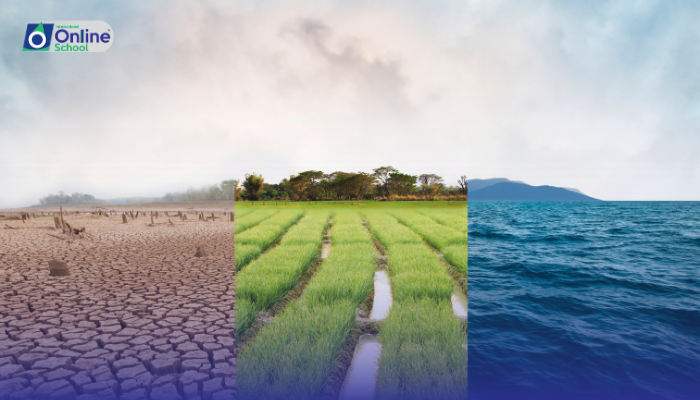
Prepare a report on Impact of Climate Change on Mental Health, Your report should include the following questions:
i. How does climate change affect the mental health of individuals?
ii. What are the common mental health issues associated with climate change-related events and disasters?
iii. What strategies can communities and mental health professionals implement to support individuals affected by climate change and promote resilience?
Impact of Climate Change on Mental Health
Climate change has a significant impact on the mental health of individuals, contributing to increased levels of stress, anxiety, and trauma. The effects of climate change, such as extreme weather events, natural disasters, and environmental degradation, can disrupt communities, destroy livelihoods, and displace populations, leading to profound psychological distress and emotional suffering.
Common mental health issues associated with climate change-related events and disasters include post-traumatic stress disorder (PTSD), depression, and anxiety disorders. Individuals who experience the direct impacts of climate change, such as loss of homes, livelihoods, or loved ones, may struggle to cope with the emotional aftermath and adjust to new realities. Additionally, the uncertainty and unpredictability of climate change exacerbate feelings of fear, helplessness, and hopelessness among affected individuals.
To support individuals affected by climate change and promote resilience, communities and mental health professionals can implement various strategies. Providing access to mental health services, crisis counseling, and support groups for affected individuals helps address immediate psychological needs and facilitates coping and recovery. Additionally, implementing community-based interventions that promote social support, community cohesion, and collective resilience can help build adaptive capacities and foster psychological well-being in the face of climate-related challenges.
Furthermore, raising awareness about the mental health impacts of climate change, advocating for policy changes that address climate-related vulnerabilities, and investing in mitigation and adaptation measures can help prevent and reduce the adverse effects of climate change on mental health. Educating communities about coping strategies, self-care practices, and disaster preparedness measures empowers individuals to protect their mental well-being and support one another in times of crisis.
In conclusion, climate change poses significant risks to mental health, exacerbating stress, anxiety, and trauma among affected individuals. By recognizing the mental health impacts of climate change and implementing strategies to support resilience and adaptation, communities and mental health professionals can mitigate the adverse effects of climate change on mental well-being and promote a more sustainable and resilient future for all.
